
Skip to content
Get a free quoteFree quote

Red clay & rust removal · Huntsville & North Alabama

Red clay and rust stain removal.

Red clay and rust leave orange stains that washing alone won’t lift. We identify the stain and the surface, then treat concrete, brick and siding with a stain-specific cleaner.

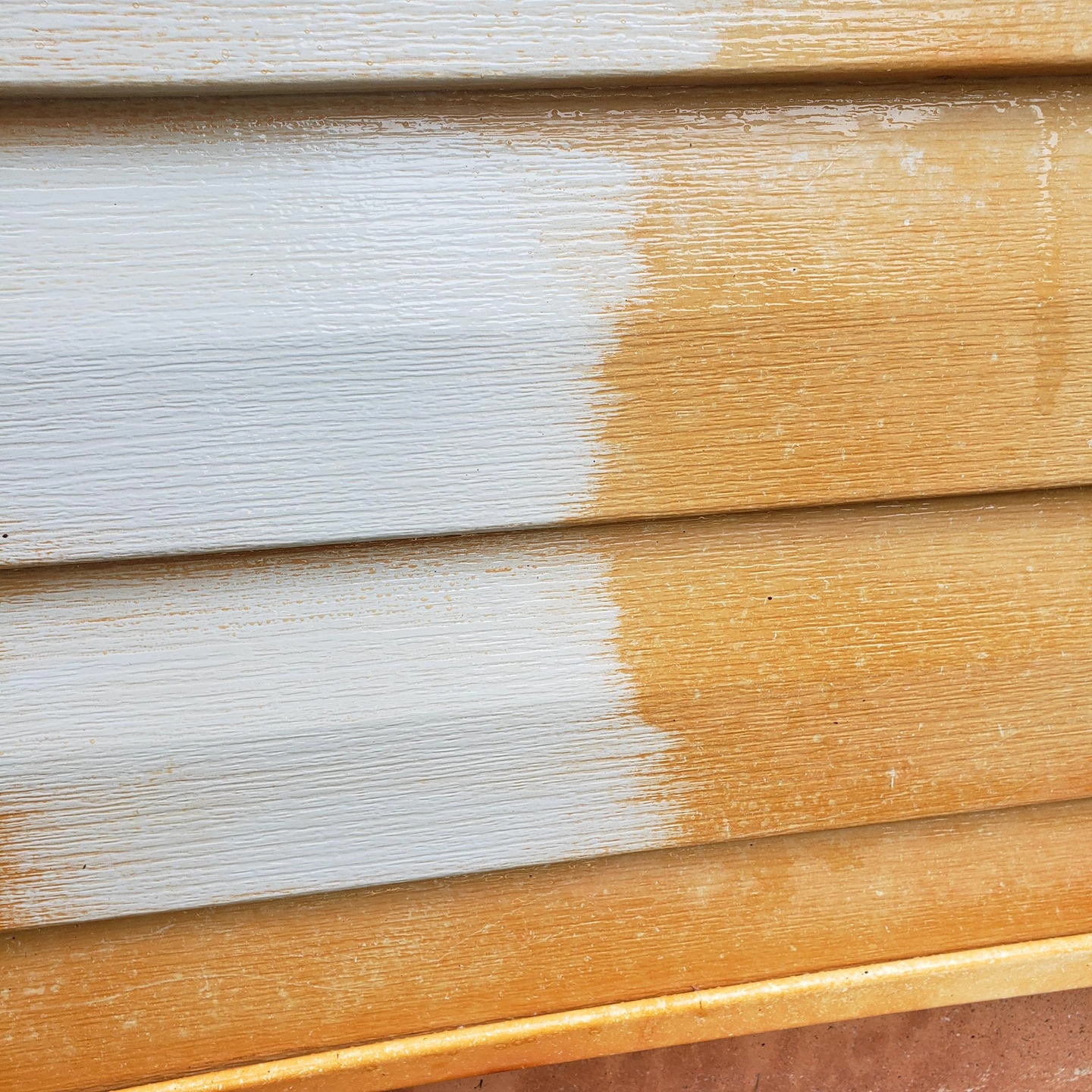
Red clay staining beside a cleaned section of white siding, with the original surface texture visible
Red clay staining beside a cleaned section of white siding
  • 5.0 from 154 Google reviews
  • Established 2014
  • $2M liability coverage
  • Free quotes, reply within 24 hours

Orange marks that survive a wash

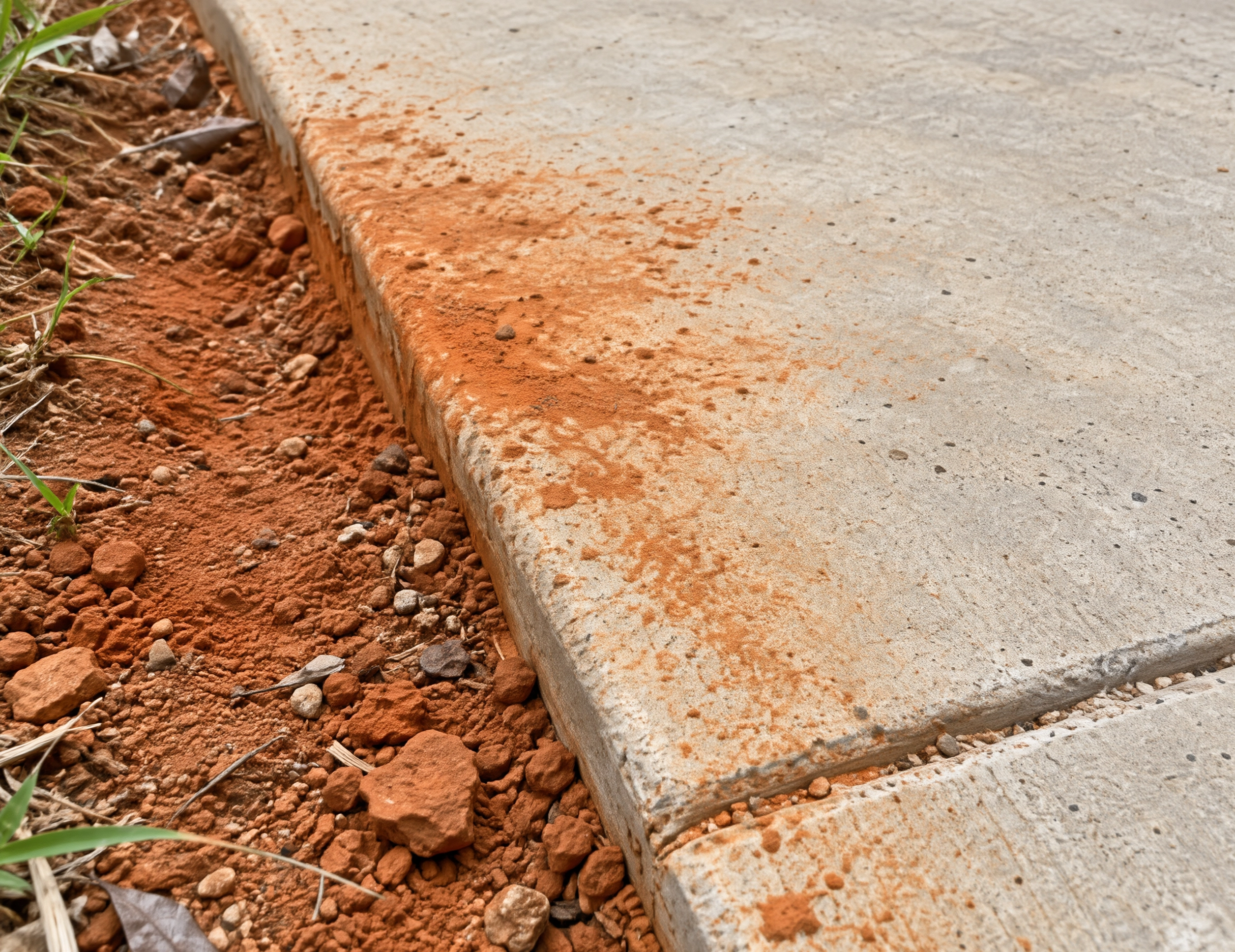
Poured concrete slab edge meeting orange clay soil

Red clay splash leaves an orange band along foundations and across siding next to bare soil. Rust leaves a similar color below metal fittings and where irrigation reaches a surface. A general wash can remove the dirt around these marks and leave the orange looking even more obvious.

Red clay color and rust staining can involve iron oxides, which is why they need stain-specific treatment rather than more pressure. The surface matters just as much: a mark on concrete can’t automatically be treated like a mark on painted siding, and older stains can reach below the surface. Knowing where the color starts and what has been tried helps us set a realistic plan.

See what’s included

A guide to the surface

The stain and the surface beneath it.

Similar orange marks can have different sources, and the material matters as much as the color.

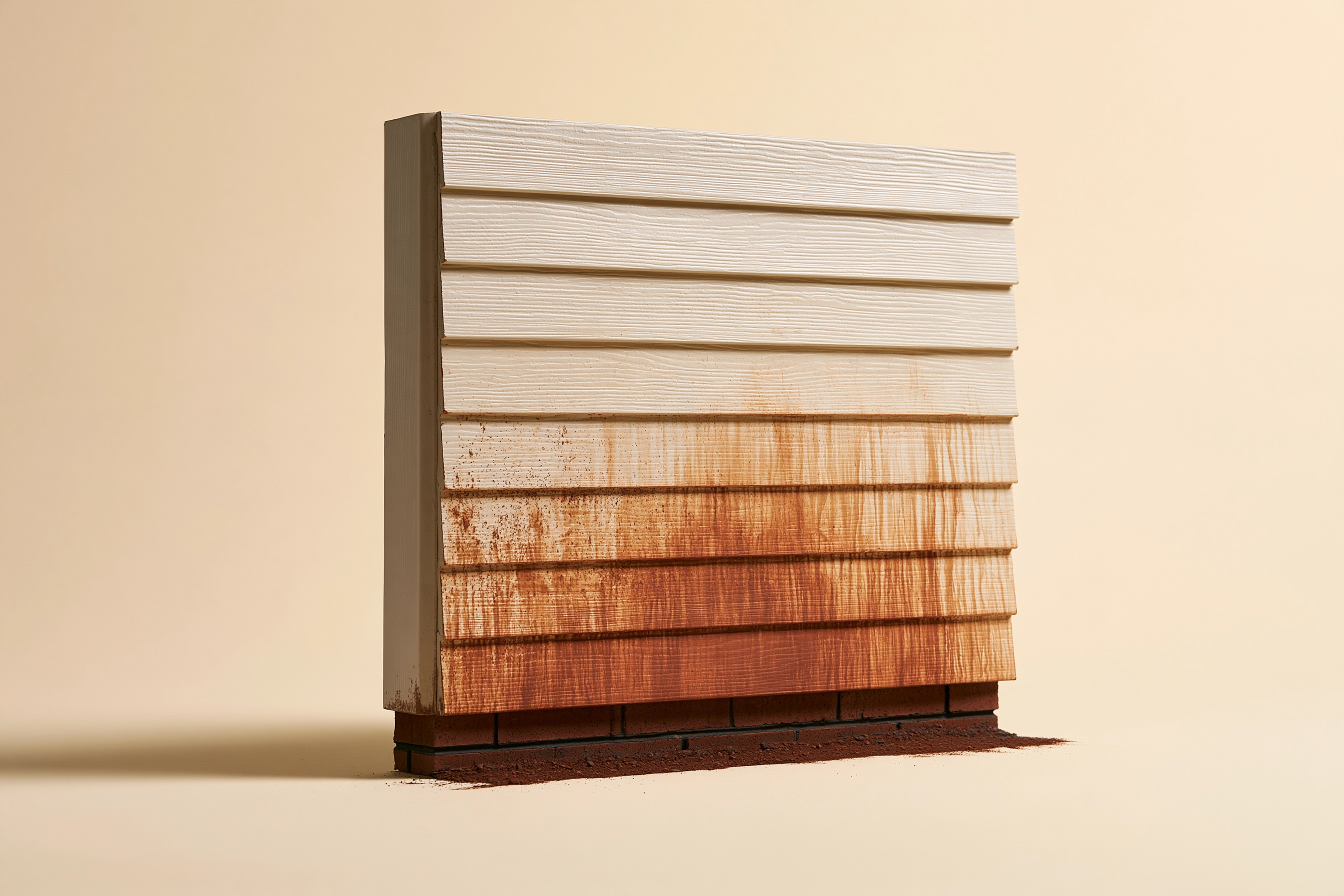
Mineral deposit detail
Illustration of cream lap siding above a brick foundation with orange mineral streaks concentrated along the lower boards

The underlying material

Concrete, masonry and siding each need a treatment suited to them. Painted siding can’t be treated like concrete.

Clay or rust deposits

An ordinary wash can clear the dirt around a mineral stain and leave the orange behind. Red clay and rust need stain-specific cleaners.

Why mineral stains need a different cleaner

We identify the likely source and the concrete, brick or siding underneath, then select a stain-specific acid treatment to suit both. Extra pressure isn’t the fix; it can damage the surface before the stain improves. Nearby paint, metal and landscaping shape how we apply and rinse. The depth of the stain, the surface condition and any previous treatments affect how much color comes out.

See the difference

What we clean

  • Red-clay staining
  • Rust marks
  • Compatible concrete, brick, masonry, and siding

Good to know

Older stains and earlier treatments affect the result, and some discoloration can remain. Tell us what caused the marks, if you know, and what has already been tried.

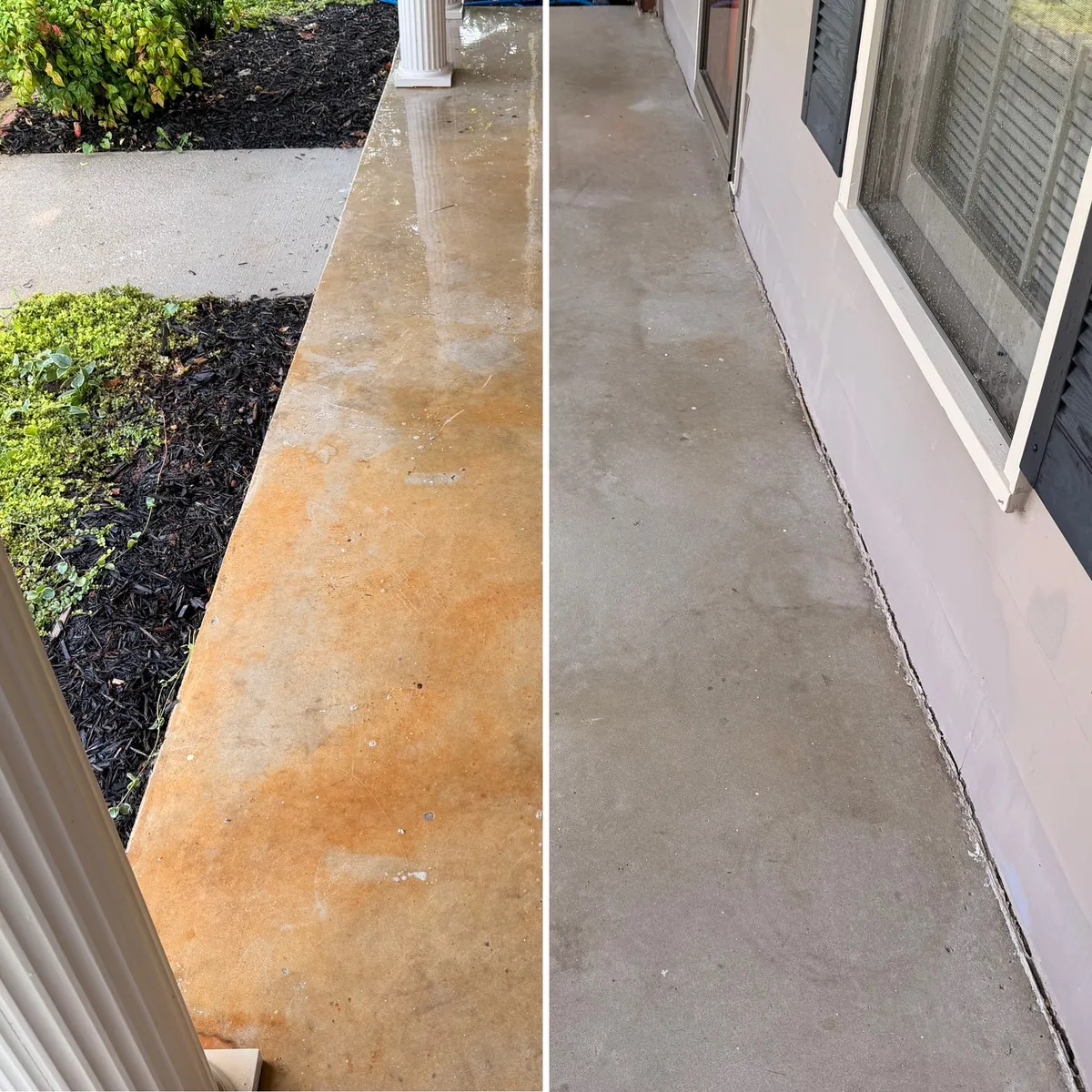
Concrete porch with red clay staining before treatment on the left and clean concrete after treatment on the right
Before & after · Porch red clay stain removal

From our work

Porch red clay stain removal
before & after

Orange staining covers much of the porch in the first view. The second shows the concrete’s gray tone again, with its small marks and surface texture still visible.

See more before-and-after photos

Seeing something similar at your place? Start a quote with this example attached.

Quote work like this

Red clay & rust removal questions

Don’t see your question? Give us a call and we’ll talk it through.

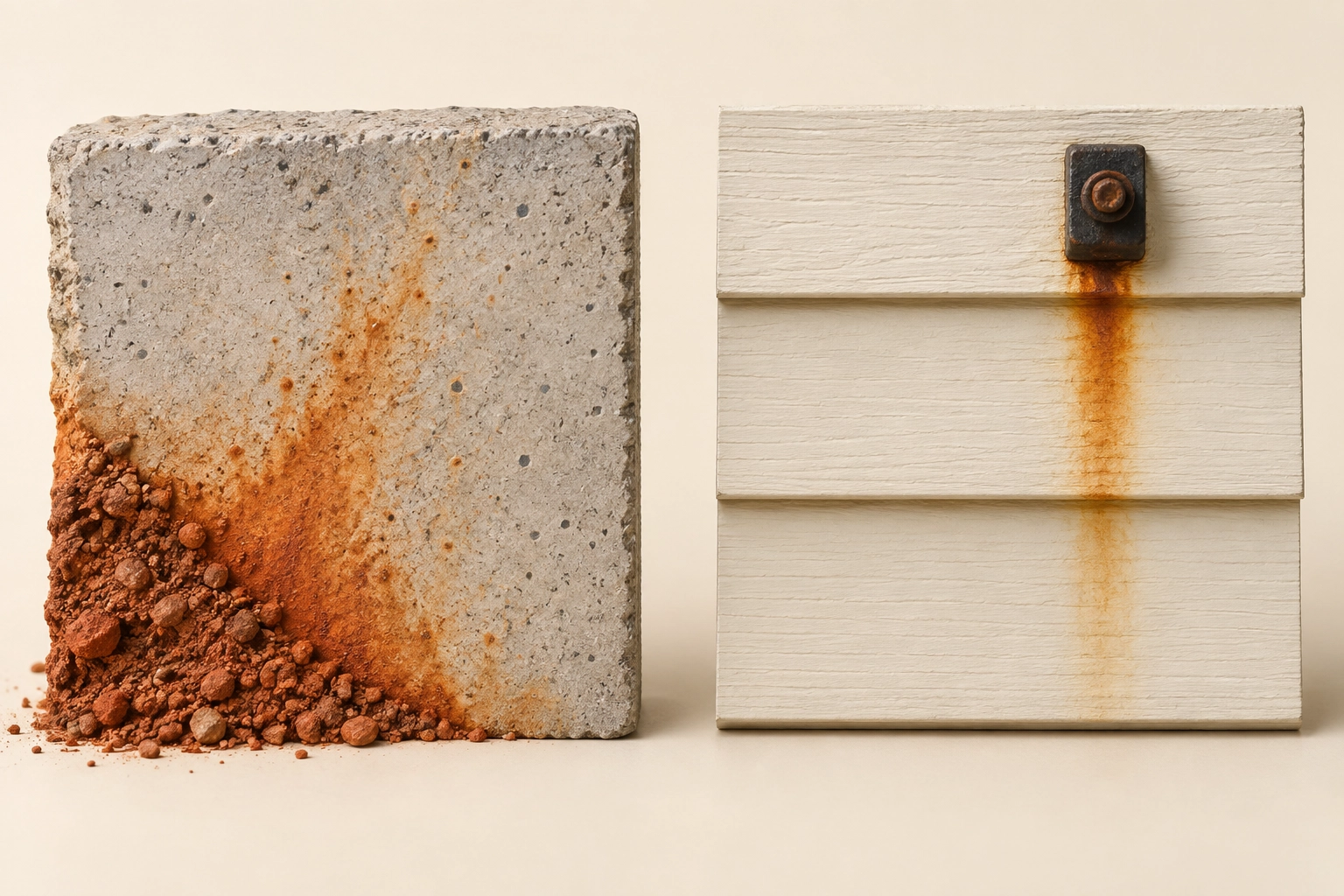
Side-by-side illustrative samples of red clay splashed onto concrete and rust runoff below metal hardware on pale siding.
Illustrative source study: clay splash and rust runoff can look similarly orange, but treatment must suit the source and material.

Identifying and treating stains

Will an older red clay stain fully lift?

Older stains can improve with treatment, but we can’t promise complete removal from a photo. Staining can reach below the surface, and the material, its condition and any earlier products all affect the result.

Tell us how long the mark has been there and what’s been used on it. That history helps us tell a remaining stain from marks left by an earlier treatment, and lets us give you a realistic sense of the improvement.
Can the same stain cleaner be used on every surface?

No. Concrete, brick and siding respond differently, and a stain cleaner has to suit both the mark and the material under it. Painted trim, nearby metal and landscaping also shape how we apply and rinse the treatment.

A close photo can hide those surroundings, so include a wider view too. The same orange color on two surfaces doesn’t mean the same treatment suits both.

How can I tell red clay from growth or white mineral deposits?

Red clay and rust tend to leave orange marks, organic growth is usually green or black, and efflorescence is a white mineral deposit. Color is a useful clue, but the surface and the source matter too. If you’re unsure, send a close photo and a wider view.

Will the stains come back?

They can if the source is still there. Clay splashing from bare soil, sprinklers reaching a wall or runoff from metal can leave new deposits on a cleaned area, and removing today’s stain doesn’t remove those sources.

Tell us where you first notice the color and whether it follows rain or irrigation. We’ll plan the cleanup with that in mind; changes to drainage, irrigation or damaged metal are separate from stain treatment.

What should I do before trying a stain cleaner?

Identify the stain and the surface before choosing a product, because some cleaners can harm paint, masonry or metal. If you’re unsure, send us a close photo and a view of the whole area, and tell us what’s already been used. We’ll tell you whether our stain treatment is the right fit.

Do you handle red clay and rust staining around Huntsville and Madison?

Yes. We treat stains on exterior concrete, masonry and siding in Huntsville, Madison, Harvest and nearby North Alabama communities. Include the property’s town when you request your quote.

How much does red clay stain removal cost?

Every stain treatment is quoted for the specific property, and quotes are free. The price depends on the size and age of the stains, the surface underneath, what has already been tried and any general washing you want around them. A wide photo and a close-up can start the quote, we can often measure with GPS-assisted tools, and we visit when the property needs it or you’d prefer it. Your quote spells out what’s included, and the price only changes if you change the scope. You don’t pay until the work is done.

Your free quote

Let’s plan your clean.

Send a close photo of the mark and a wide view showing nearby soil, irrigation or metal that may be feeding it. Tell us how long it has been there and which products you’ve already tried, if any. Include the full area you want treated, plus any general washing you’d like around it.

  1. Send the details

    Pick the service, add your town and describe the areas. A wide photo and a close-up can start the quote, and you can review everything before it’s sent.

  2. We reply within 24 hours

    We can often measure with GPS-assisted tools, and we visit when the property needs it or you’d prefer it. You don’t need to be home.

  3. Get a clear, free quote

    You’ll see what’s included and what’s separate before anything is booked. The price only changes if you change the scope, and you pay when the work is done.

How we work

How we work with you.

  • No need to be home We can do the estimate and the work while you’re out.
  • Most jobs done in a day From a driveway to a full house wash, almost every job is finished in less than a day.
  • Pay when it’s done We don’t take payment until the work is complete.
  • Your price holds It only changes if you change the scope, even if we under-estimated.

Our work · Before & after