
Why brick and mortar need different cleaning than concrete
Published · Updated
In this guide
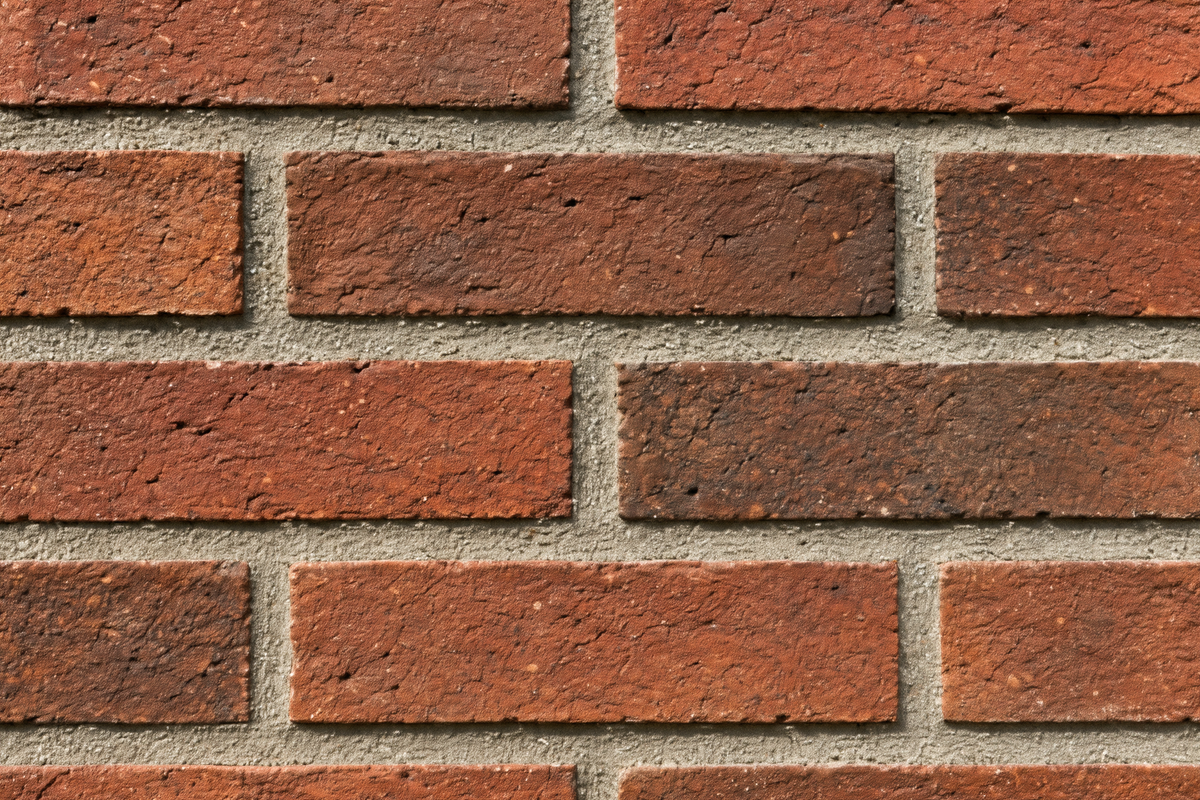
Brick and mortar need to be assessed together before cleaning. A brick face can be in good shape while the joints around it are cracked, recessed, or crumbling. The cleaning method must suit both materials.
The stain matters too. Green growth, orange clay, chimney soot, and white mineral deposits need different treatment. Identifying the mark helps remove it without unnecessary wear to the wall.
Check the mortar as well as the brick
A wall contains more than brick: mortar joints, flashing, openings, and sometimes paint or a sealer all affect the work. Mortar strength varies with its mix and age, and older repairs may differ from the original joints.
Pressure can dislodge weak mortar or damage a brick face. The right approach depends on the wall’s condition, rather than an assumption that all masonry can handle the same force as a driveway.
What to look for before cleaning masonry
From the ground, look for:
- Cracked, crumbling, or deeply recessed mortar
- Cracks that follow the joints in a stair-step pattern
- Flaking brick faces or loose units
- Paint, sealer, or an earlier coating
- White deposits or persistent wet marks
- Leaking gutters or sprinklers that keep wetting the wall
Share these details when requesting a quote. Loose masonry, active water entry, or significant cracking needs a mason’s assessment before cleaning. Repointing is repair work, and its timing should be coordinated with the mason.
White mineral deposits are not ordinary dirt
A powdery white deposit may be efflorescence: salts carried to the surface by moisture and left behind as the water evaporates. The National Park Service’s masonry guidance explains that process and why moisture problems deserve attention alongside surface cleaning.
A recurring deposit can be associated with a leaking gutter, sprinkler, flashing problem, or moisture moving through the wall. Removing the visible mark will not stop that water source.
White residue is not always efflorescence. Old cleaner, coating failure, and other deposits can look similar. Confirm what it is before applying another product.
Old masonry deserves more care
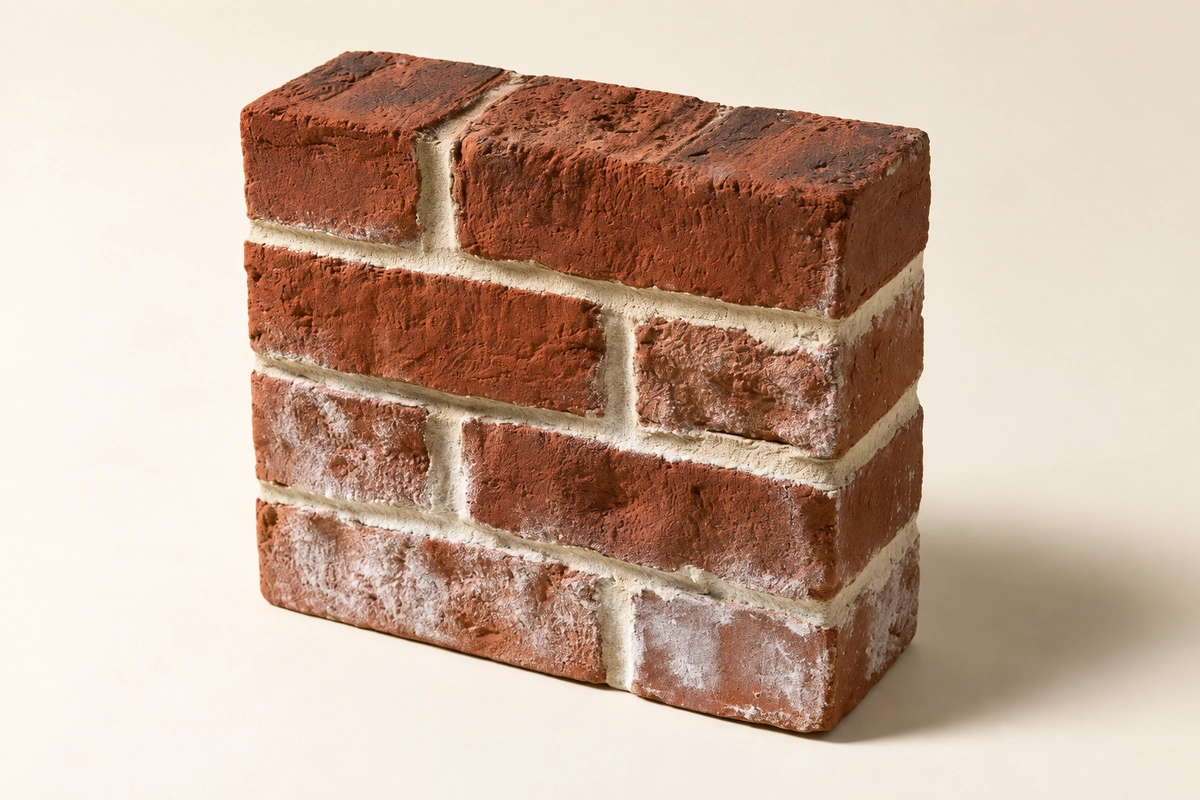
Historic brick and mortar can be vulnerable to abrasive cleaning and incompatible chemicals. The NPS guidance is particularly relevant here: a method that suits one masonry material can damage another.
Tell the cleaner about previous repairs, coatings, and any known history of the wall. Where the materials are fragile or their condition is uncertain, a masonry specialist should help determine the next step.
Painted brick also needs to be treated as a coated surface. Washing may remove loose paint, but it does not restore adhesion or prepare every failing finish for repainting.
Common masonry stains
The location and pattern of a stain help narrow the cause:
| What you see | What it may indicate |
|---|---|
| Green or dark film in a damp area | Organic growth |
| Orange splash near the ground | Red clay or another iron-related stain |
| White powder or a recurring pale deposit | Efflorescence or other residue |
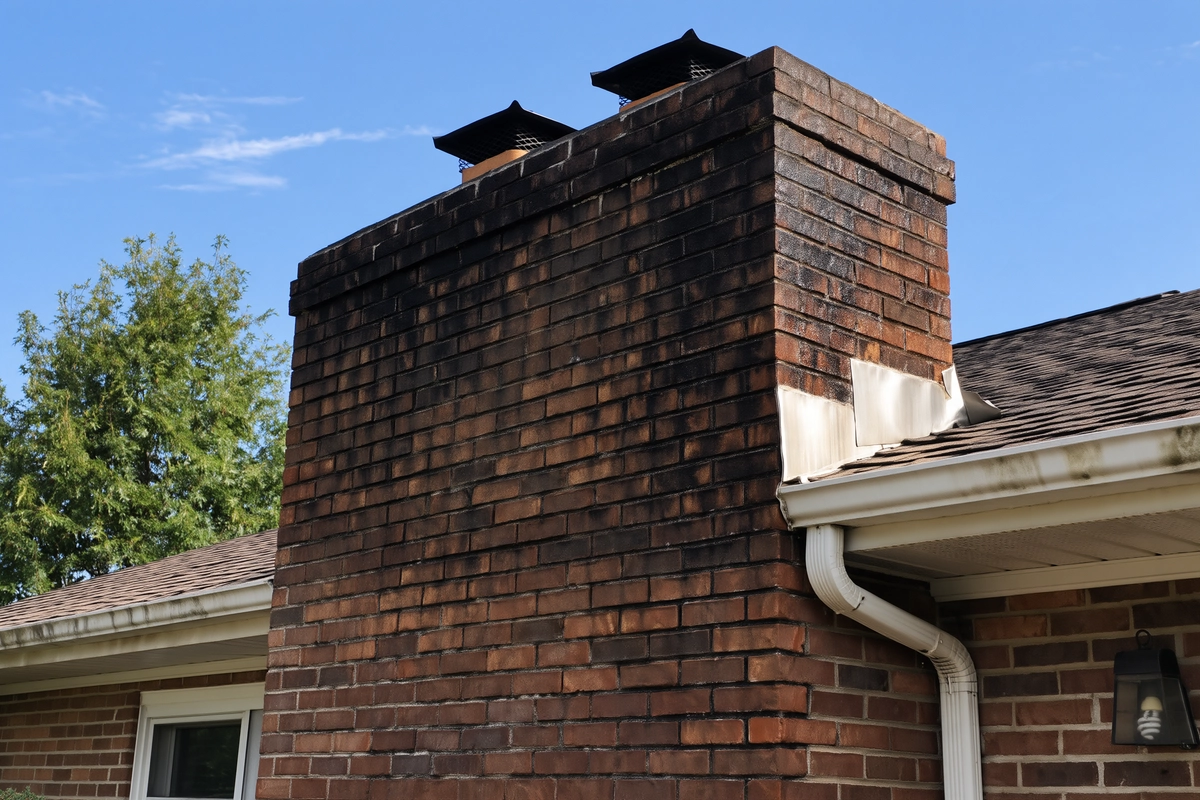
| Dark marks around a chimney | Soot, organic growth, or runoff staining |
These are clues, not a diagnosis from color alone. A close-up and a wider photo help show what is happening around the mark.
Concrete pavers have their own care requirements, including protecting the joint sand. CMHA’s pavement-cleaning guidance addresses those differences; it should not be treated as a universal instruction for brick walls or natural stone.
Cleaning and masonry repairs
Cleaning can remove buildup and improve discoloration. It cannot rebuild mortar, close cracks, repair flaking brick, or stop water entering the wall. Weathering and variation in the original materials may still show afterward.
That distinction is especially useful when planning several trades. Settle the repair work first, then agree on cleaning that suits the repaired surface.
What to send with a quote request
For a wall, chimney, or patio, send a photo of the whole area and a closer view of the stain. Include visible joint damage or an old coating, and mention any water problem you already know about.
Our Paver, Brick & Stone Cleaning service covers suitable masonry and jointed hardscape. For brick accents included with the rest of the exterior, see House Washing.
What to remember
Look at the joints as closely as the brick. Identify the stain, account for coatings and repairs, and choose a method that preserves the wall’s existing material. Clean masonry can still show its age and original character.
Sources
Want us to handle it?
See exactly how we clean it and what’s included, or send us the details for a free quote.
Get a free quoteKeep reading
Ready for a clean you can see from the curb?
Tell us what you’d like cleaned, then text or email a couple of photos. We’ll explain the work and send a free quote.